
Key figures
- Processing Capacity (t/h)1–3
- Boundary Dimension (mm)2450×1720×1690
- Rotor SpeedInverter
- Feed Size (mm)≤6
Figures are for the base model. All models in this family are listed below.
Overview
What it is
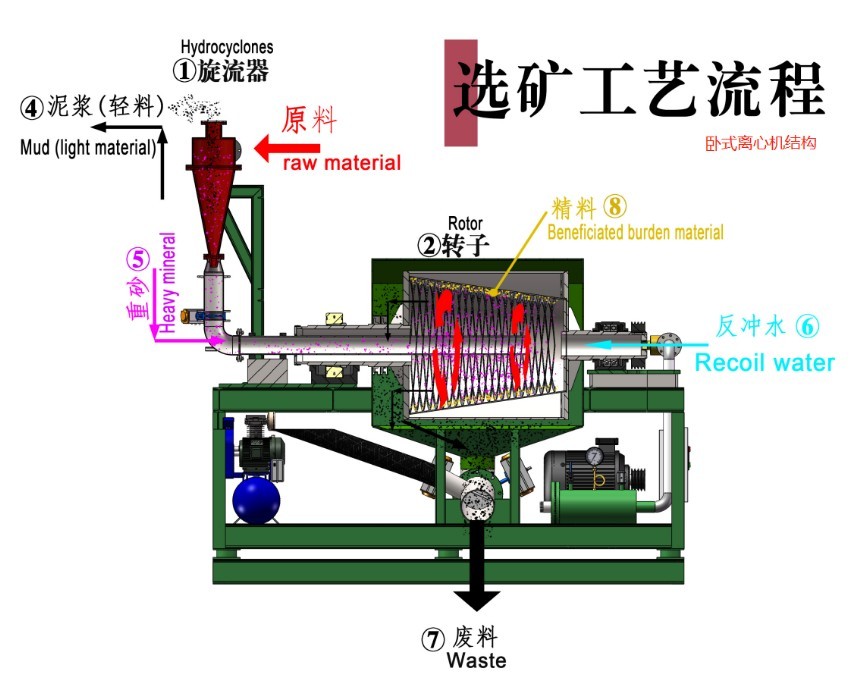
The horizontal centrifugal concentrator is made up of a separation cone, feed pipe, discharge pipe, transmission, water supply and automatic control system, all mounted on one frame to form a complete gold beneficiation unit.
The spinning cone is cast from high-wear-resistant polyurethane. Inside it runs a ring groove that widens from the bottom of the cone to the top, and the groove carries fluidised water holes whose number, size and position are set by the ore. Around the cone sits a concentric shell; the space between shell and cone forms the water cavity.
Working principle
Inside the inverted-cone inner sleeve, pulp is fed along the wall through the feed pipe. At high speed it gains a large centrifugal force and flies out along the inner wall. Because particle density differs, the centrifugal force differs too: denser particles are pushed closer to the wall, where the tangential velocity is higher — which gives them still more centrifugal force, so they pack into the ring-groove grid and stay there.
At the same time recoil water jets inward through the small holes between the groove rings, breaking the retained particles and pulp into a loose bed. That loosely packed bed is what allows particles of different density to separate.
Because separation happens in the centrifugal field of the high-speed inverted cone, particles of different density gain different centrifugal acceleration — so the separation efficiency is far above that of ordinary gravity separation equipment working in the natural gravity field.
Discharge types
Four sizes (40, 60, 80, 1200) are built with automatic ore discharge and a 10-minute unloading wash. The 1200 is also available with continuous discharge, for circuits that cannot stop to clean the cone.
Feed size and recovery
Centrifugal feed size range is wide: the automatic discharge type takes 0–6 mm, and its recovery range is wide too. Taking gold ore as the example: +38 μm is the easiest fraction to recover, 10–38 μm is recoverable, and −10 μm is difficult. In production most of the free, monomer-dissociated gold falls in the recoverable band.
Structure and separation principle
All models
| Parameter | 40# auto | 60# auto | 80# auto | 1200# auto | 1200# continuous |
|---|---|---|---|---|---|
| Processing Capacity (t/h) | 1–3 | 5–15 | 15–25 | 40–60 | 30 |
| Boundary Dimension (mm) | 2450×1720×1690 | 2450×1720×1690 | 2780×1850×1950 | 3800×1900×2950 | — |
| Rotor Speed | Inverter | Inverter | Inverter | Inverter | Inverter |
| Feed Size (mm) | ≤6 | ≤6 | ≤6 | ≤6 | ≤6 |
| Feed Concentration | 30% | 30% | 30% | 30% | 30% |
| Recoil Water Pressure (MPa) | 0.1–0.3 | 0.1–0.3 | 0.1–0.3 | 0.1–0.3 | 0.1–0.3 |
| Unloading Wash Time (min) | 10 | 10 | 10 | 10 | — |
| Motor Power (kW) | 6.05 | 6.05 | 10.5 | 21.5 | 18.5 |
| Weight (kg) | 2400 | 2600 | 3200 | 7800 | — |
Swipe the table sideways to see every column →
Related equipment
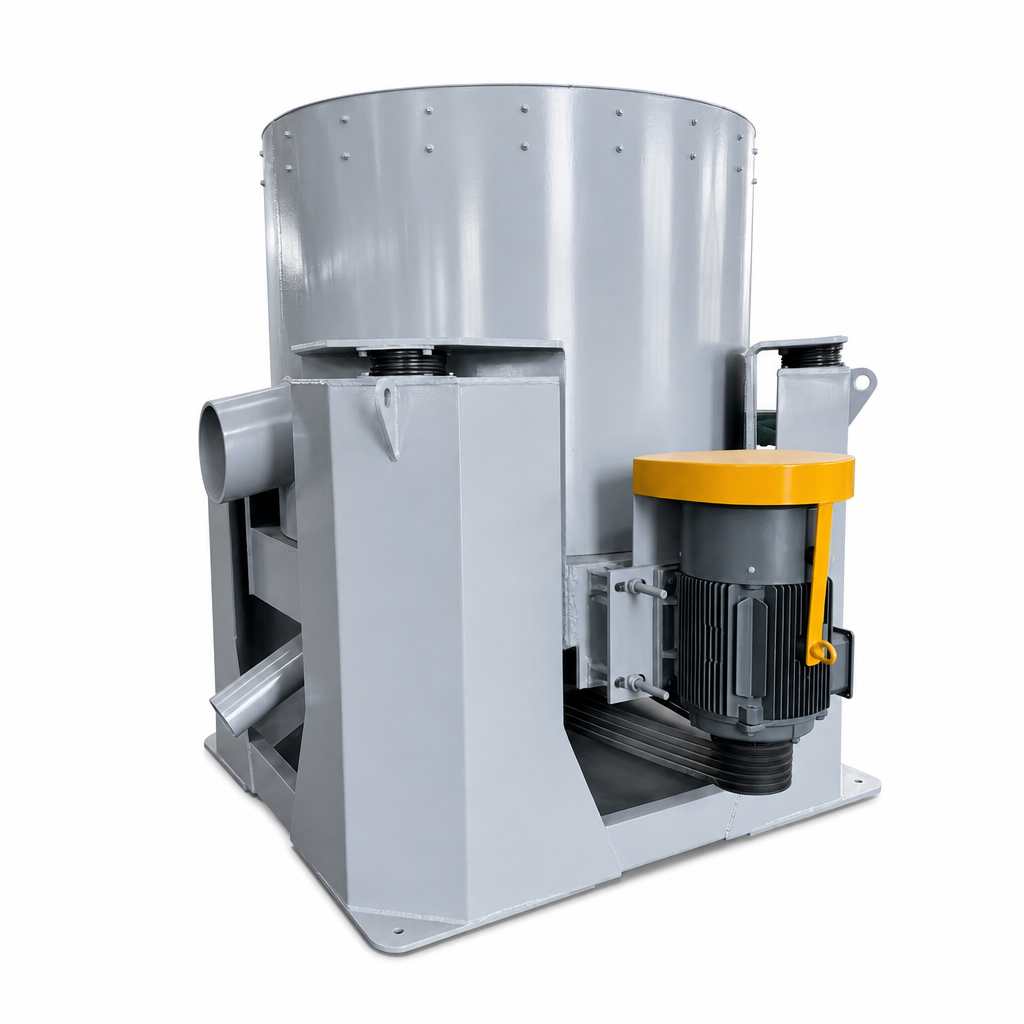 STLB Centrifugal Gold Concentrators6 models
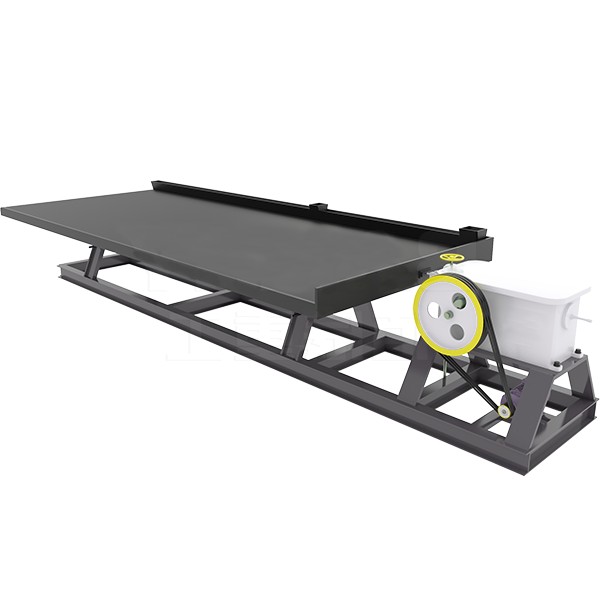 6S Shaking Tables3 models
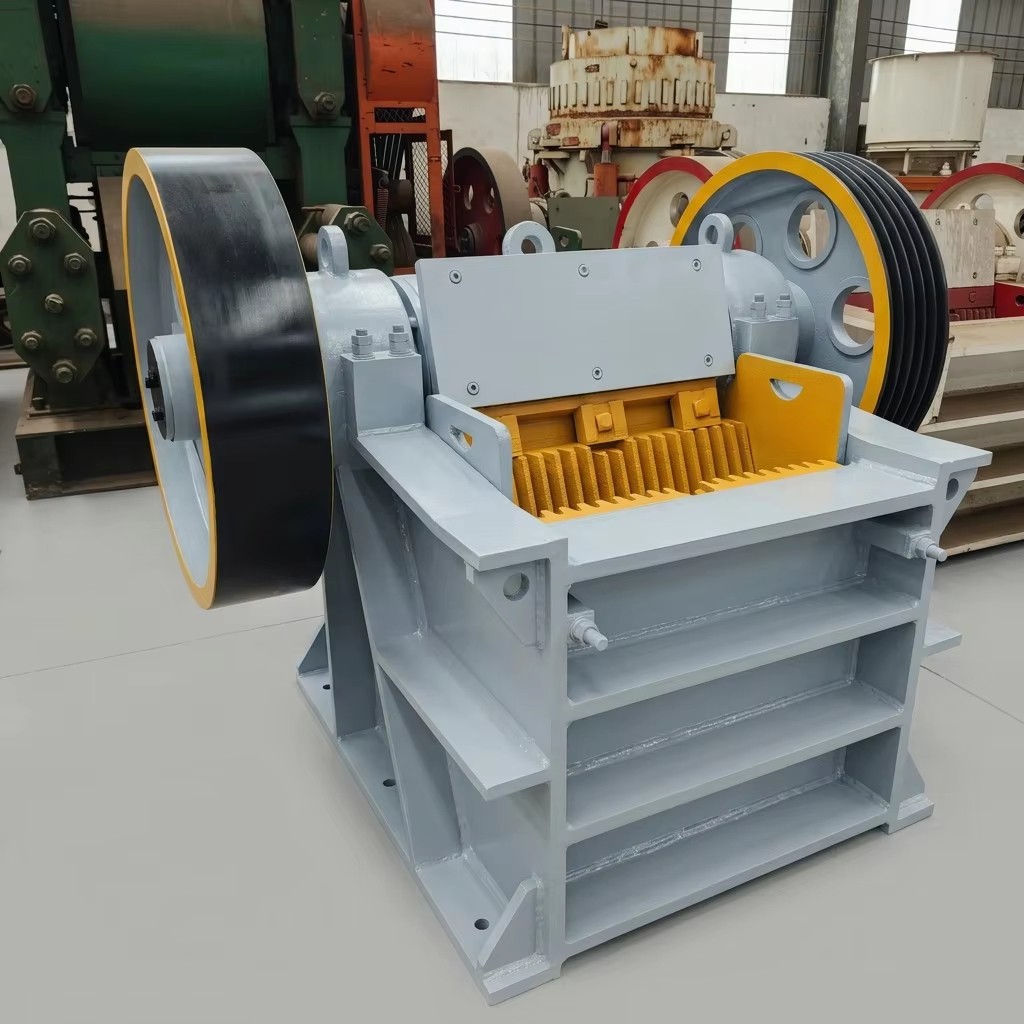 Jaw Crushers — PE & PEX Series13 models