
Key figures
- Cell volume (m³)0.37
- Impeller dia. (mm)300
- Capacity (m³/min)0.2–0.4
- Impeller speed (r/min)352
Figures are for the base model. All models in this family are listed below.
Overview
What it is
Flotation cells separate non-ferrous and ferrous metals, precious metals, non-metallic minerals and chemical raw materials by froth flotation. They run in roughing, scavenging, cleaning or reverse-flotation duty, and are banked in series: pulp passes from cell to cell while the froth overflows the front lip of each one.
Two series
Two ranges are built. The SF series runs from 0.37 to 4 m³ per cell, the XJK series from 0.13 to 2.8 m³. SF is the later design with larger cells, so the same tonnage needs fewer units, less floor area and less power per cubic metre of pulp. XJK remains the small-cell workhorse for low tonnages, laboratory-to-pilot scale work and retrofits where the existing bank is XJK.
The bracketed suffix on XJK models — 1A through 6A — is the conventional bank size for that cell, from a single cell to a six-cell bank.
How it works
Pulp enters at the bottom of the cell. The impeller at the foot of the central standpipe draws air down the pipe and disperses it through the pulp as fine bubbles. Particles that the reagent has made hydrophobic attach to the bubbles and rise into the froth layer, where a rotating scraper blade skims them over the lip into the concentrate launder. Particles that stay wetted sink and pass on to the next cell. Air is self-induced, so there is no blower and no air line to run.
Advantages
- Large air intake at low power consumption.
- Automatic control device, easy to adjust while running.
- Reasonable pulp circulation, which minimises coarse sand settling on the cell floor.
Choosing a cell
Capacity is quoted per cell, in cubic metres of pulp per minute, so a bank multiplies the single-cell figure. Pick the cell volume from the capacity column for the tonnage and residence time you need, then decide the number of cells from the recovery target. Impeller and scraper motors are separate, and each cell carries one of each.
Notes
The SF series sheet does not publish a scraper speed; that row is marked — for those models. Motor frame designations are reproduced as supplied by the series sheet. Technical parameters are subject to change without further notice.
In the workshop
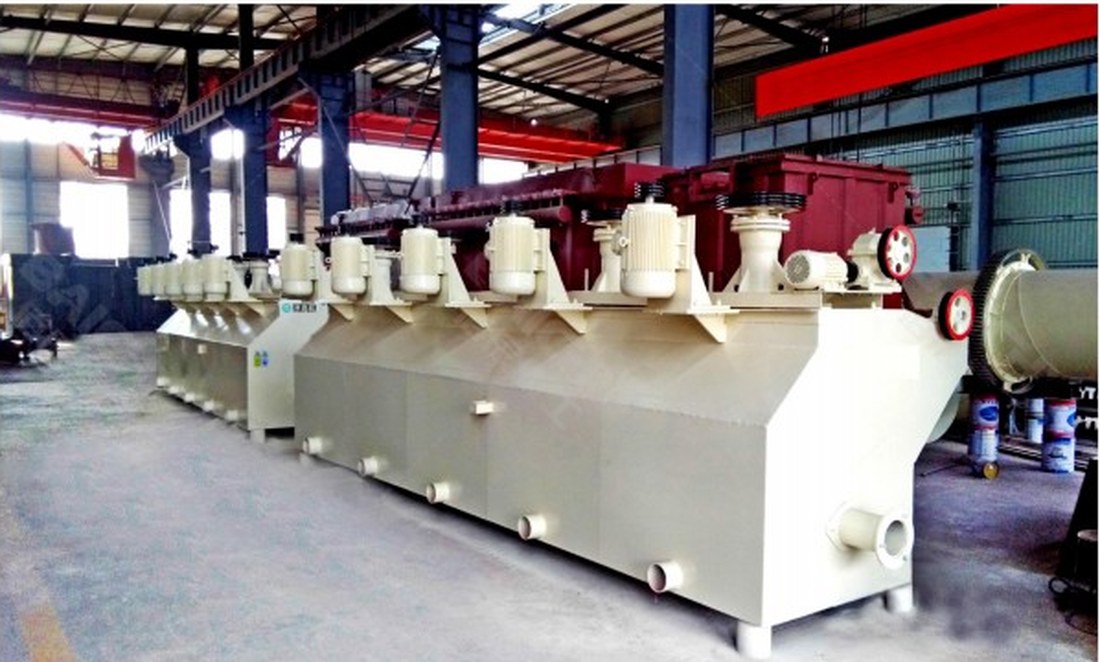
All models
| Model | Cell volume (m³) | Impeller dia. (mm) | Capacity (m³/min) | Impeller speed (r/min) | Scraper speed (r/min) | Impeller motor | Scraper motor |
|---|---|---|---|---|---|---|---|
| SF0.37 | 0.37 | 300 | 0.2–0.4 | 352 | — | Y90L-4 / 1.5 kW | Y905-4 / 1.1 kW |
| SF0.7 | 0.7 | 350 | 0.3–0.9 | 400 | — | Y100L2-4 / 3 kW | Y905-4 / 1.1 kW |
| SF1.2 | 1.2 | 450 | 0.6–1.2 | 312 | — | Y132M2-6 / 5.5 kW | Y905-4 / 1.1 kW |
| SF2.8 | 2.8 | 550 | 1.5–3.5 | 268 | — | Y160L-6 / 11 kW | Y905-4 / 1.1 kW |
| SF4 | 4 | 650 | 0.5–4 | 238 | — | Y180L-6 / 15 kW | Y90L-4 / 1.5 kW |
| XJK-0.13(1A) | 0.13 | 200 | 0.05–0.16 | 600 | 17.5 | Y100L1-4 / 2.2 kW | Y80M1-4 / 0.55 kW |
| XJK-0.23(2A) | 0.23 | 250 | 0.12–0.28 | 500 | 17.5 | Y90L1-4 / 1.5 kW | Y80M1-4 / 0.55 kW |
| XJK-0.35(3A) | 0.35 | 300 | 0.18–0.4 | 470 | 17.5 | Y90L1-4 / 1.5 kW | Y80M2-4 / 0.75 kW |
| XJK-0.62(4A) | 0.62 | 350 | 0.3–0.9 | 400 | 26 | Y100L2-6 / 3 kW | Y80M2-4 / 0.75 kW |
| XJK-1.1(5A) | 1.1 | 500 | 0.6–1.6 | 330 | 26 | Y132M2-6 / 5.5 kW | Y905-4 / 1.1 kW |
| XJK-2.8(6A) | 2.8 | 600 | 1.5–3.5 | 280 | 26 | Y160L-6 / 11 kW | Y905-4 / 1.1 kW |
Swipe the table sideways to see every column →
Related equipment
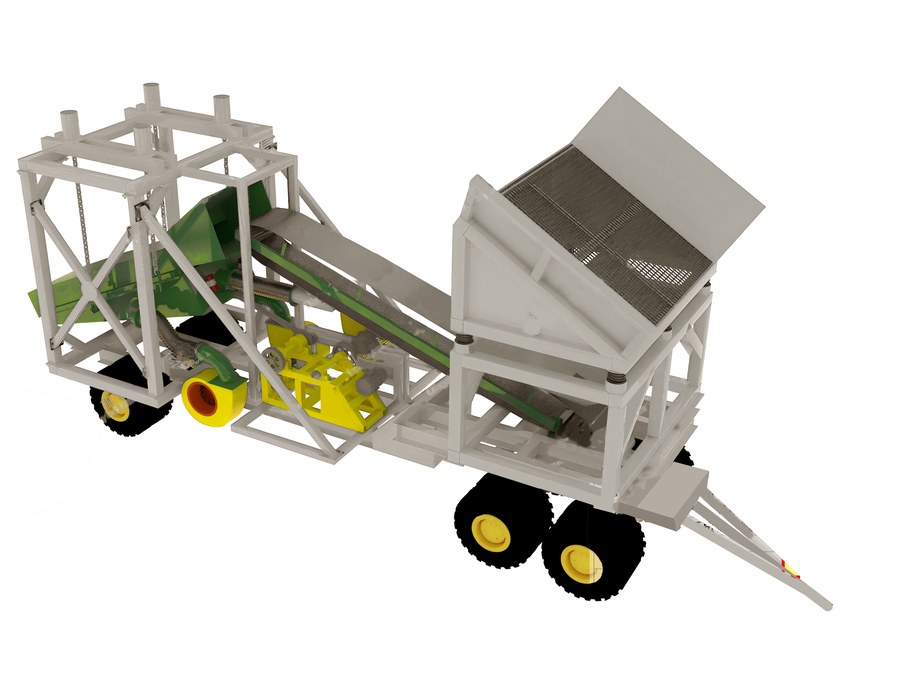 80–100 t/h Mobile Dry Gold Separator1 models
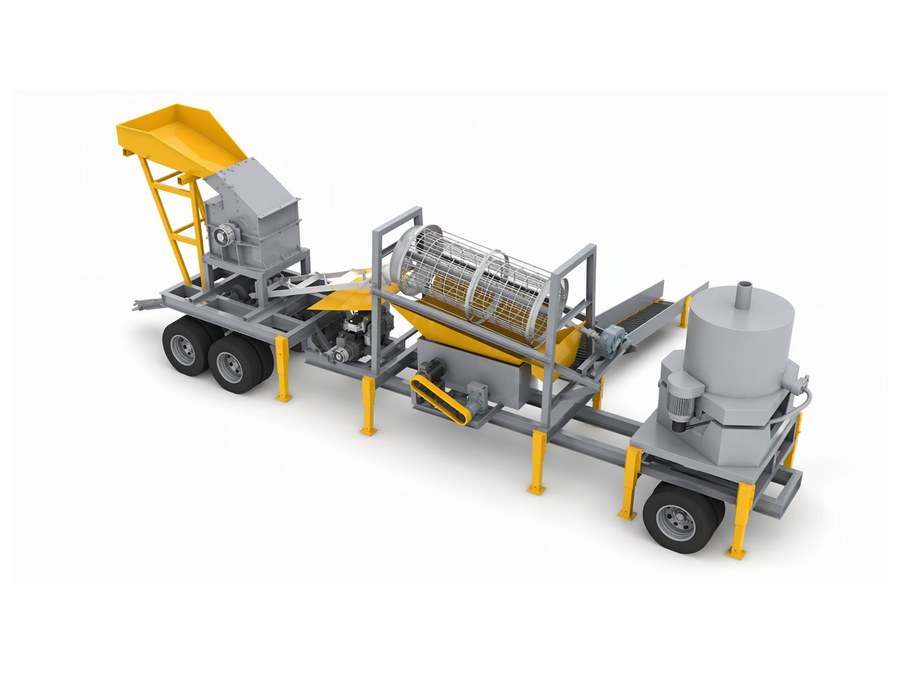 5–10 t/h Weathered Sand Gold Plant2 models
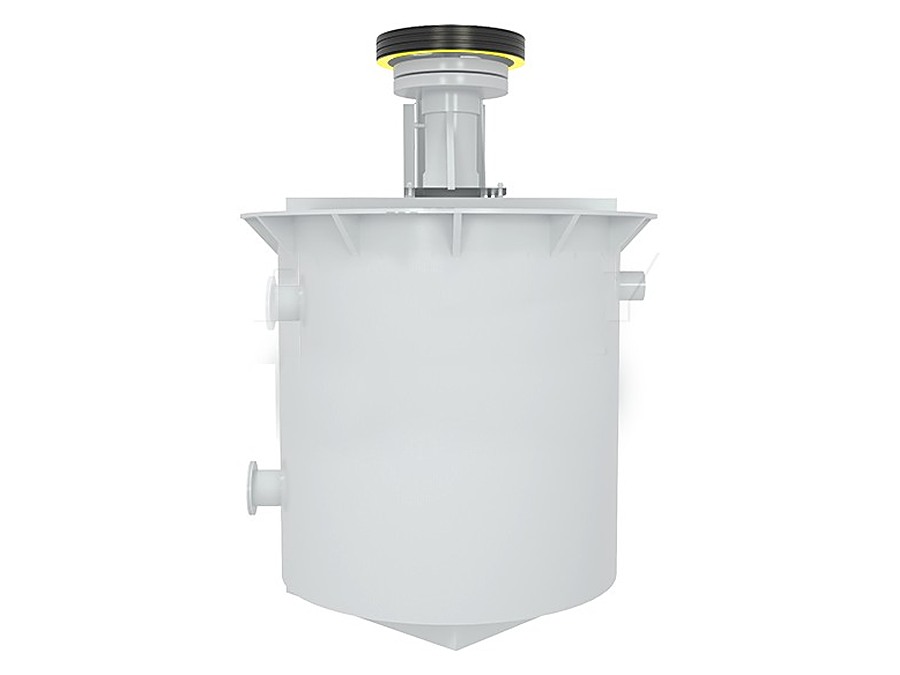 XB Series Agitating Vessels9 models